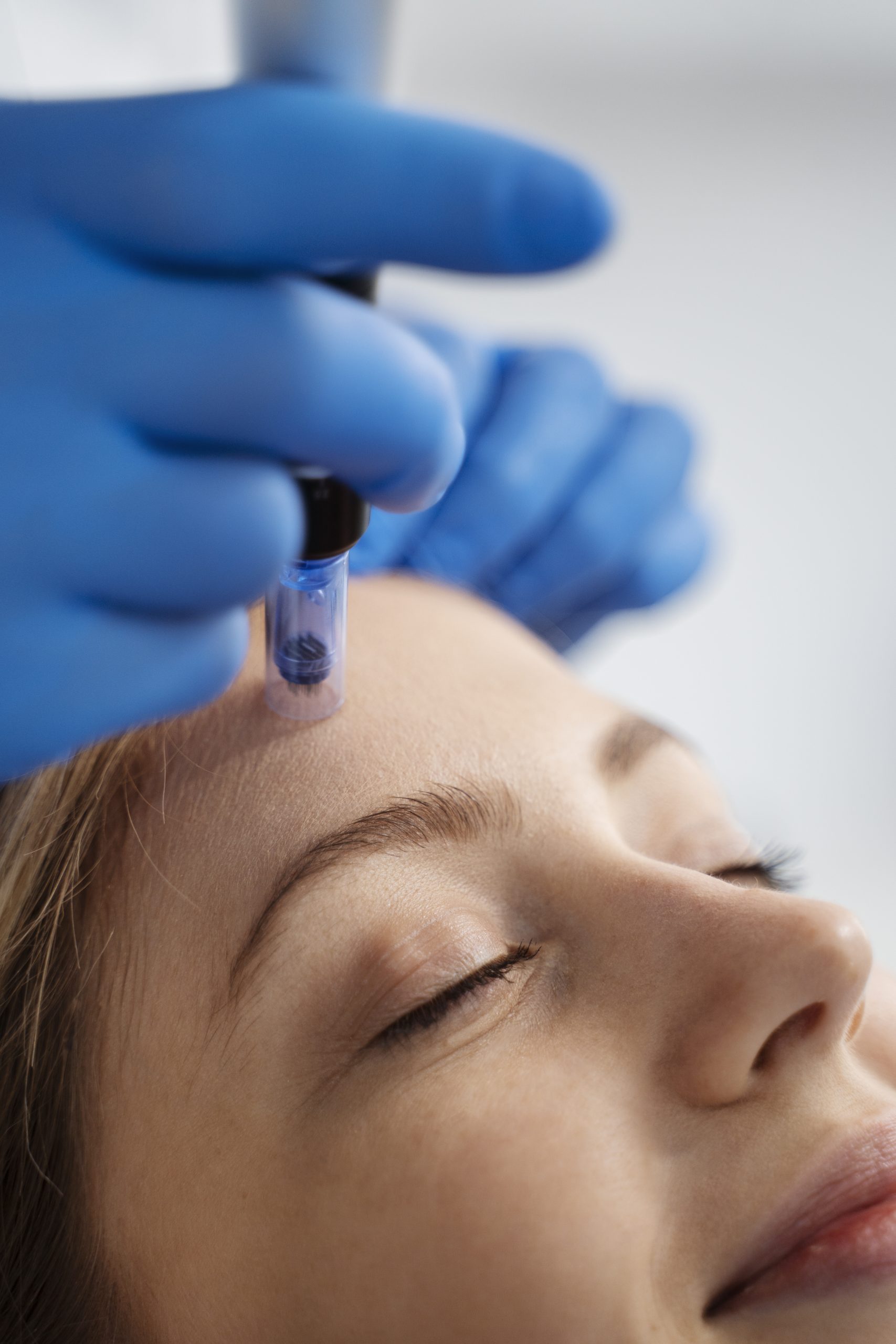
When it comes to skin care treatments that can truly transform the look and feel of your skin, few are as well-known and widely used as chemical peels. Dermatologists and skin therapists have relied on them for decades because they deliver visible results with relatively little downtime. Whether you’re dealing with acne scars, fine lines, uneven tone, or just want brighter, healthier-looking skin, chemical peels are a treatment worth considering.
This guide explains what chemical peels are, how they work, the different types available, what results you can expect, and whether they’re the right choice for you.
What Is a Chemical Peel?
A chemical peel is a professional skin treatment in which a specially formulated solution is applied to the skin to exfoliate and remove dead skin cells. Depending on the strength of the peel, it can work on the outermost layer (epidermis), the middle layer (dermis), or even deeper layers of the skin.
Once the solution does its work, the treated skin peels or flakes away over several days. This controlled exfoliation stimulates new cell growth and collagen production, revealing smoother, clearer, and more youthful-looking skin.
How Do Chemical Peels Work?
Chemical peels use active ingredients—most commonly acids such as glycolic acid, lactic acid, salicylic acid, trichloroacetic acid (TCA), or phenol—to penetrate the skin. The depth of penetration depends on the type of peel chosen:
- Superficial (light) peels: Work on the top layer of skin, great for brightening, smoothing rough texture, and refreshing the complexion.
- Medium peels: Reach the middle layer of skin, targeting sun damage, fine lines, mild acne scars, and uneven pigmentation.
- Deep peels: Penetrate deeper into the dermis and are used for significant wrinkles, scars, or severe sun damage. These usually require more recovery time but deliver dramatic results.
By accelerating the skin’s natural renewal process, peels reveal fresh skin cells, unclog pores, and even out tone.
Benefits of Chemical Peels
Chemical peels are a versatile treatment because they address a wide range of concerns. Here are some of the most common benefits:
- Improves skin texture – Smooths rough patches and promotes softer skin.
- Brightens dull skin – Removes dead cells that cause a tired or uneven appearance.
- Reduces fine lines and wrinkles – Stimulates collagen production for firmer, more youthful skin.
- Fades hyperpigmentation – Effective for sun spots, age spots, and melasma.
- Clears acne and reduces scarring – Certain peels, like salicylic acid, target acne-causing bacteria and help fade post-acne marks.
- Evens out skin tone – Improves blotchiness and discoloration.
- Boosts skincare results – After a peel, your serums and moisturizers absorb better because they’re not blocked by dead skin cells.
For many clients, a peel can refresh the skin enough to make it glow after just one treatment, though a series of peels usually delivers the most noticeable changes.
The Different Types of Chemical Peels
1. Superficial Peels
- Often called “lunchtime peels” because there’s little downtime.
- Common ingredients: glycolic acid, lactic acid, mandelic acid.
- Best for mild dullness, roughness, or early signs of aging.
- Results: subtle brightening, smoother skin, fresher appearance.
2. Medium Peels
- Penetrate deeper to the mid-dermis.
- Ingredient: Trichloroacetic acid (TCA) or higher-strength glycolic acid.
- Address moderate wrinkles, sun damage, pigmentation, and some acne scars.
- Downtime: redness and peeling for 5–7 days.
3. Deep Peels
- Use stronger solutions like phenol.
- Target deep wrinkles, extensive sun damage, or pronounced scars.
- Results are dramatic and long-lasting but require significant downtime (up to 2–3 weeks of recovery).
- Usually performed once in a lifetime and under medical supervision.
What Happens During a Chemical Peel?
Here’s what to expect in a typical treatment:
- Consultation – A skin therapist or dermatologist evaluates your skin type, concerns, and goals to determine the right peel.
- Preparation – Your skin is cleansed, and protective measures (like eye shields or petroleum jelly around sensitive areas) are applied.
- Application – The peel solution is applied evenly. You may feel tingling, warmth, or mild stinging.
- Neutralization – Depending on the peel, it may be neutralized with a solution or left to self-neutralize.
- Aftercare – Sunscreen and soothing products are applied before you leave.
The entire session usually takes 30–45 minutes.
Aftercare and Recovery
Post-peel care is just as important as the treatment itself. Here are essential aftercare steps:
- Expect peeling or flaking: This may start within 2–3 days and last about a week for light peels (longer for deeper ones).
- Moisturize frequently: Helps reduce dryness and protect healing skin.
- Avoid sun exposure: Your skin will be more sensitive. Always wear SPF 30+.
- Don’t pick or peel manually: Let the skin shed naturally to avoid scarring.
- Skip harsh products: Avoid retinol, exfoliants, or acids until your provider gives the go-ahead.
Possible Side Effects and Risks
When performed by a qualified professional, chemical peels are generally safe. However, possible side effects include:
- Redness and irritation
- Temporary darkening or lightening of the skin (especially in darker skin tones)
- Scarring (rare, usually with deep peels)
- Infection if aftercare isn’t followed
To minimize risks, always go to a licensed provider with experience in chemical peels and follow all pre- and post-treatment instructions.
Who Is a Good Candidate?
Chemical peels are effective for many people, but suitability depends on your skin type and concerns. You may be a good candidate if:
- You have fair to medium skin tones (though modern peels can be tailored for darker skin).
- You’re concerned with fine lines, acne, pigmentation, or dullness.
- You don’t have active infections, open wounds, or certain skin conditions (like eczema or psoriasis flare-ups).
- You’re not pregnant or nursing (peels are not recommended during this time).
Always disclose your medical history and current skincare products during your consultation.
How Many Sessions Will You Need?
- Superficial peels: Often recommended in a series of 4–6 treatments spaced 2–4 weeks apart.
- Medium peels: May be done every 3–6 months.
- Deep peels: Typically only once in a lifetime.
Your provider will design a schedule tailored to your needs.
Results: What to Expect
- Immediately after: Your skin may look brighter and feel smoother.
- 1 week later: Dead skin flakes off, revealing fresher, clearer skin.
- After several sessions: More noticeable improvement in fine lines, tone, acne, and pigmentation.
- Long term: Regular peels help maintain youthful, radiant skin and enhance your overall skincare routine.
Why Choose a Chemical Peel?
The biggest reason clients choose chemical peels is that they deliver visible results without invasive procedures. Unlike creams or serums that take months to show subtle changes, peels provide noticeable improvement after just one session. They’re also customizable—whether you want a gentle refresh or more dramatic resurfacing, there’s a peel suited to your needs.
Chemical peels remain one of the most effective, customizable, and trusted treatments for improving skin texture, tone, and radiance. Whether you’re battling acne scars, looking to fade sun spots, or simply want that post-treatment glow, a peel can help you achieve your goals.
Like all skin treatments, the key is working with a qualified provider who can match the right peel to your skin type and concerns. With proper care and realistic expectations, chemical peels can become a powerful part of your skincare journey—delivering smoother, healthier, and more confident skin.