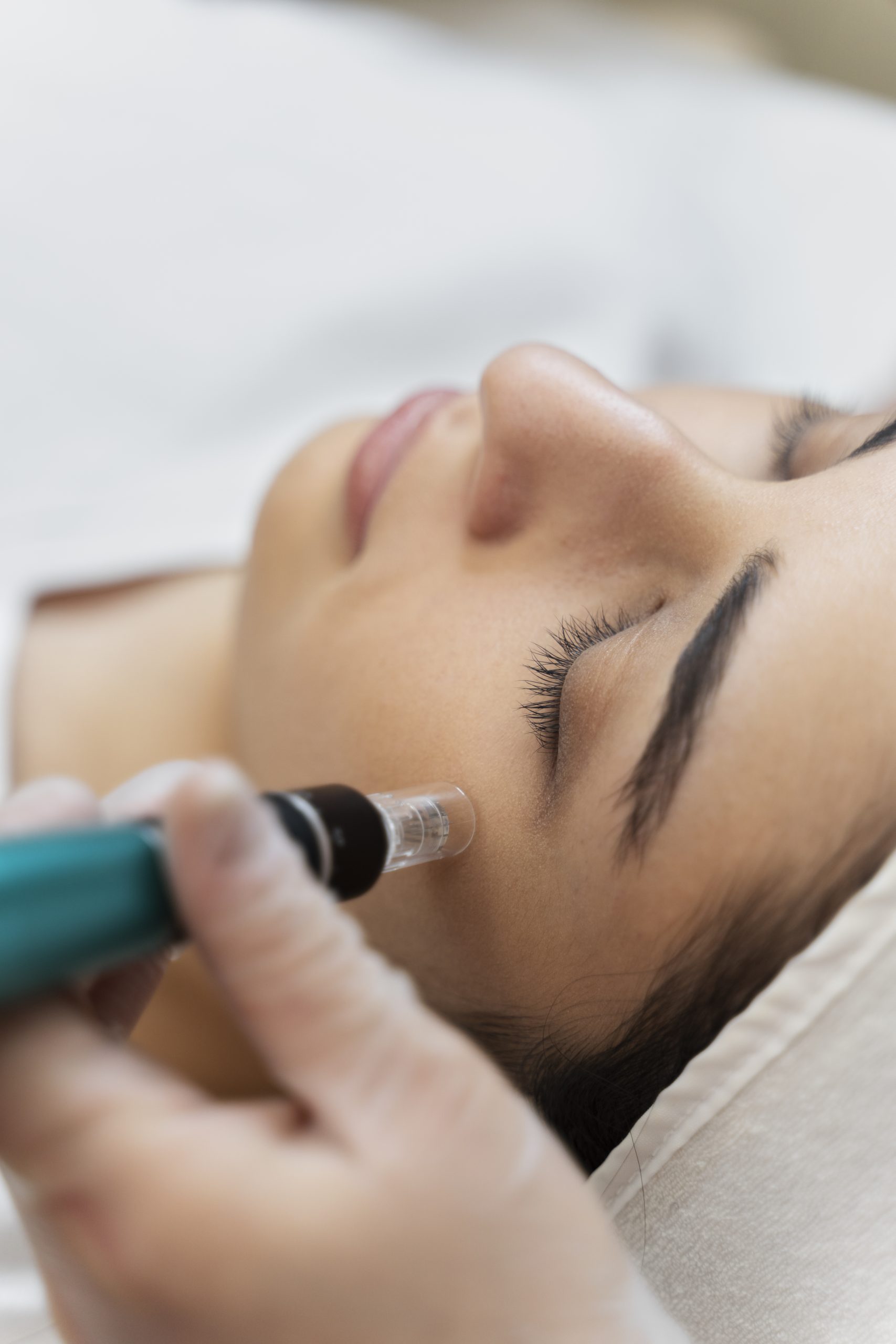
When considering microneedling as a treatment for skin rejuvenation, one of the most common questions people ask is how many sessions they will need. While microneedling is not a one-size-fits-all treatment, there are general guidelines and patterns that help determine the number of sessions required for best results. The answer depends on your skin type, the concerns you are targeting, and how your body responds to the procedure.
Microneedling works by creating controlled micro-injuries in the skin that stimulate the body’s natural healing response. As the skin repairs itself, it produces more collagen and elastin, two proteins that are essential for maintaining smooth, firm, and youthful-looking skin. Because collagen remodeling takes time, results do not appear overnight, and multiple sessions are usually necessary to achieve the full benefits.
The average recommendation for most clients is a series of three to six sessions. These sessions are usually spaced four to six weeks apart to give the skin enough time to heal and build new collagen before the next treatment. However, the exact number can vary significantly depending on what is being treated. For example, fine lines and early signs of aging may respond well to fewer treatments, while deeper acne scars or more advanced skin damage may require a longer course.
For people interested in improving the overall tone, texture, and radiance of their skin, a series of three sessions is often a good starting point. These treatments help boost collagen production, refine pores, and create a smoother surface. Many people notice improvements even after the first session, but the cumulative effect becomes more noticeable after completing a series.
For acne scars, which often involve deeper indentations in the skin, a greater number of treatments may be needed. Typically, four to six sessions are recommended, but in some cases, eight or more sessions may be required, depending on the severity of the scars. This is because scar tissue takes longer to remodel and requires repeated stimulation for the skin to rebuild its structure.
People with hyperpigmentation or uneven skin tone may need around three to five sessions. Microneedling can break up areas of excess pigment and encourage a more balanced complexion over time. When combined with serums such as vitamin C or other brightening agents applied during treatment, the results can be even more effective.
For individuals hoping to reduce the appearance of fine lines and wrinkles, four to six sessions are generally recommended. Since these signs of aging are linked to a gradual loss of collagen and elastin over years, it takes several treatments to reverse the process and rebuild support within the skin. Many clients notice softening of wrinkles and an overall refreshed appearance after completing a series.
Stretch marks are another common reason people seek microneedling. Because stretch marks represent a type of scar tissue, they can be more resistant to treatment. A series of six to eight sessions is often necessary, with improvements developing gradually as collagen production increases. The exact number depends on how old the stretch marks are and where they are located on the body.
It is also important to remember that microneedling results build over time. Unlike quick fixes that may show temporary changes, microneedling relies on your body’s natural processes, which require patience. Collagen and elastin production does not happen overnight. Most people begin to see noticeable improvements four to six weeks after their first session, with continued progress over several months.
Another factor in determining the number of sessions is age. Younger clients with minor skin concerns may achieve their desired results with fewer treatments, while older clients with more advanced signs of aging may need a longer series. Skin health, lifestyle, and genetics also play a role. For example, someone who smokes or has had extensive sun exposure may require more sessions than someone with fewer environmental or lifestyle-related skin challenges.
Maintenance is another key part of the answer. Even after completing an initial series of sessions, many people choose to schedule follow-up treatments every six to twelve months to maintain their results. Because collagen naturally breaks down with age, occasional treatments help preserve the improvements and continue to support long-term skin health.
The spacing between sessions is just as important as the number of sessions. Providers usually recommend four to six weeks between treatments to give the skin enough time to recover. Performing treatments too close together can disrupt the healing process, while waiting too long between them may slow progress. The rhythm of consistent, spaced-out sessions is what allows collagen remodeling to work effectively.
In addition to the number of sessions, the type of microneedling also influences outcomes. Traditional microneedling, which uses fine needles alone, typically requires more sessions for significant results. On the other hand, advanced options like radiofrequency microneedling, which combines needle penetration with heat energy, may achieve results in fewer treatments since the energy stimulates deeper layers of the skin. Pairing microneedling with platelet-rich plasma (PRP) or specialized serums can also enhance results, sometimes reducing the overall number of sessions needed.
Personal goals are central to the conversation about how many sessions to schedule. Some people pursue microneedling because they want a quick refresh for a special occasion, in which case one or two treatments may be enough for a temporary boost. Others view it as part of a long-term commitment to skin health and are prepared for multiple sessions spread across several months. Discussing goals with a qualified provider helps establish the most realistic and effective plan.
It is worth noting that while microneedling is effective for many, it is not a miracle cure. Deep wrinkles, significant skin laxity, or very severe scars may require complementary treatments in addition to microneedling. In such cases, a provider may recommend combining microneedling with laser therapy, fillers, or other aesthetic procedures. This combination approach can reduce the total number of microneedling sessions needed and produce more comprehensive results.
After completing the recommended number of sessions, many clients are surprised at the longevity of the results. Improved texture, smoother scars, and a brighter complexion often last for months, and with proper skincare and sun protection, benefits can extend even further. Maintenance sessions, as mentioned earlier, act as touch-ups that keep the skin in its best condition over time.
For someone considering microneedling, the idea of multiple sessions might feel overwhelming at first. However, each session is relatively quick, and the downtime is minimal compared to other skin treatments. When viewed as an investment in long-term skin health, the process becomes easier to commit to. Most people who complete the recommended series find the results worthwhile, with healthier, stronger, and more radiant skin that continues to improve even after the last appointment.
The number of sessions needed is ultimately a collaboration between you and your provider. While general guidelines provide a starting point, personalized care ensures the treatment plan matches your skin’s unique needs. By understanding that microneedling is a process that builds results gradually and requires commitment, clients enter the journey with realistic expectations and a clear path to success.
In summary, the number of microneedling sessions needed depends on the skin concern being treated, the individual’s skin type, age, and goals. For most people, three to six sessions spaced four to six weeks apart are enough to achieve noticeable improvements, with maintenance sessions recommended to preserve results. Acne scars, stretch marks, and deeper wrinkles may require additional treatments, while general skin rejuvenation may be achieved with fewer. Patience, consistency, and following a provider’s guidance are the keys to getting the most from microneedling and enjoying healthier, more youthful skin.