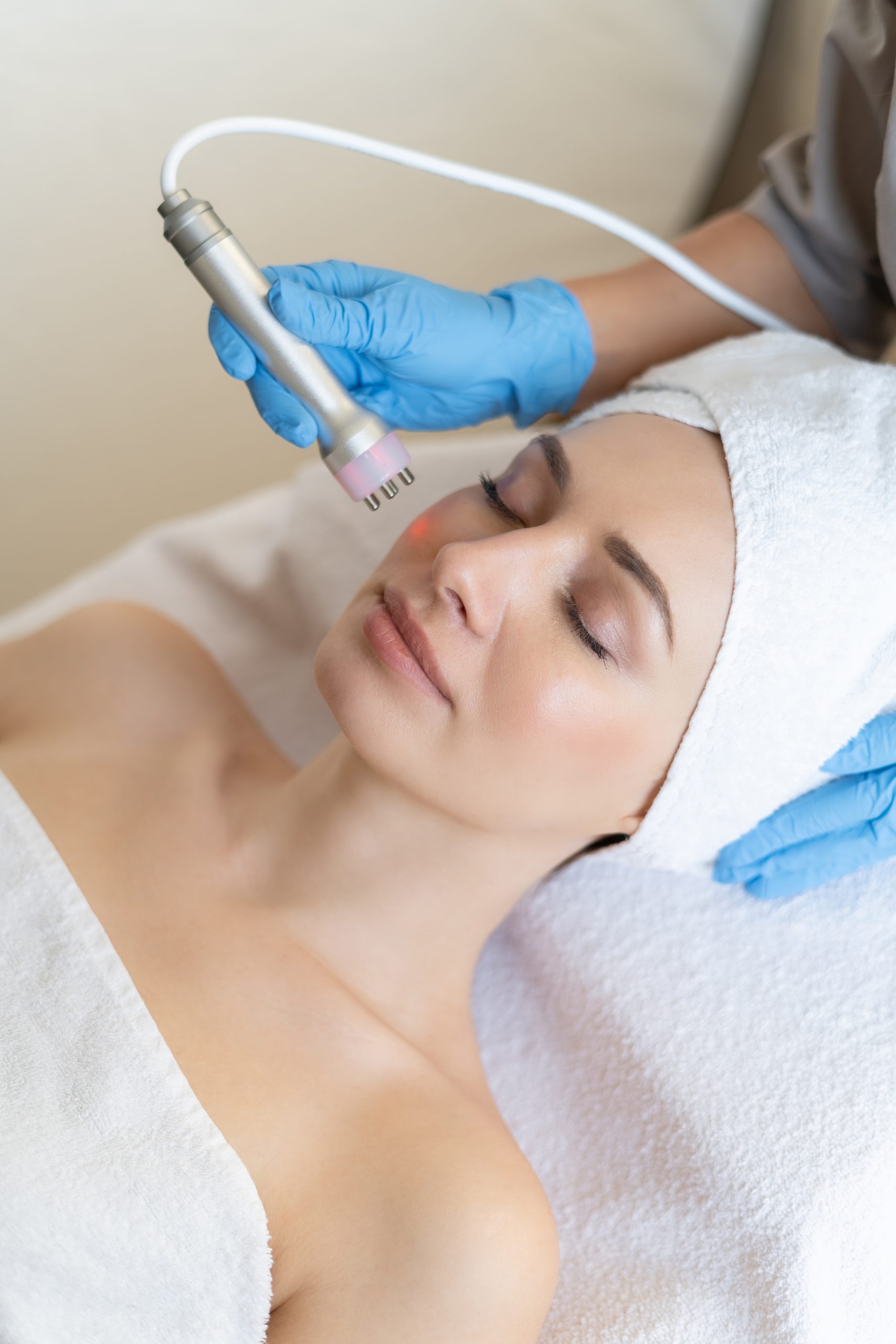
Chemical peels have become one of the most popular cosmetic treatments for improving skin tone, texture, and radiance. They are effective for a wide range of concerns from acne and pigmentation to fine lines and sun damage. But one of the most common questions people ask is: “How often should I get a chemical peel?”
The answer isn’t the same for everyone. The ideal frequency depends on several factors: the type of peel, your skin type, your goals, and how your skin responds to treatment. Getting peels too often can irritate your skin, while spacing them too far apart may slow down results. Let’s break it down step by step so you know what’s right for you.
1. Understanding How Chemical Peels Work
A chemical peel is a treatment that uses an acid solution such as glycolic acid, salicylic acid, lactic acid, trichloroacetic acid (TCA), or phenol to exfoliate the top layers of skin. By removing dead and damaged cells, peels stimulate cell turnover and collagen production. The result is smoother, brighter, and healthier-looking skin.
The depth of exfoliation depends on the type of peel:
- Superficial peels: Exfoliate only the top layer (epidermis). Minimal downtime.
- Medium peels: Penetrate the upper dermis for deeper results. Requires some recovery.
- Deep peels: Reach the mid-to-lower dermis. Dramatic results but long downtime.
Since each type affects the skin differently, the recommended frequency varies.
2. General Guidelines for Frequency
Here are the standard timelines most professionals follow:
- Superficial peels: Every 2–4 weeks
- Medium peels: Every 3–6 months
- Deep peels: Once in a lifetime (or very rarely, since results are long-lasting)
But these are just general rules. For the best results, your provider will tailor the schedule to your skin’s needs.
3. How Often by Skin Concern
Let’s look at some common skin concerns and how often chemical peels are recommended:
a) Acne and Oily Skin
If you’re dealing with active acne, blackheads, or clogged pores, superficial peels (like salicylic acid or glycolic acid) can be done every 2–3 weeks initially. This frequency helps unclog pores and reduce oil production. Once breakouts are under control, maintenance peels may be spaced every 6–8 weeks.
Example:
Sophia, 28, struggles with frequent breakouts. Her dermatologist recommends a salicylic acid peel every 3 weeks for three months, then switching to once every two months for upkeep.
b) Hyperpigmentation and Dark Spots
Conditions like melasma, sun spots, or post-inflammatory hyperpigmentation often require a series of lighter peels. These can be done every 3–4 weeks until discoloration improves, followed by maintenance peels every 2–3 months.
Example:
Aisha, 35, has melasma after pregnancy. She benefits from glycolic acid peels every month for 4–6 sessions, combined with strict sun protection.
c) Anti-Aging and Fine Lines
For fine lines, early wrinkles, and dullness, superficial to medium peels are effective. Most people do well with a peel every 4–6 weeks as part of a rejuvenation plan. Medium peels, like TCA, are often spaced every 3–6 months.
Example:
Michael, 42, wants to soften fine lines. He gets a glycolic peel every 5 weeks and a medium-strength TCA peel twice a year for deeper results.
d) Sun Damage and Rough Texture
For leathery skin, uneven tone, and visible sun damage, medium or even deep peels may be necessary. Medium peels can be repeated every 3–6 months, while a deep phenol peel usually provides permanent results and doesn’t need repeating.
Example:
David, 55, with decades of sun exposure, chooses a deep peel once. His doctor explains that it won’t need repeating, but he must commit to lifelong sun protection.
e) General Skin Maintenance
If you’re just looking for a glow boost, smoother texture, or to keep your skin clear, superficial peels every 6–8 weeks are enough.
Example:
Raj, 38, gets a glycolic peel every two months before big events. It keeps his skin fresh without being too aggressive.
4. Factors That Influence Frequency
While guidelines are helpful, several factors determine your personal schedule:
a) Skin Type
- Oily, acne-prone skin tolerates more frequent superficial peels.
- Sensitive or dry skin requires more time between sessions.
b) Skin Tone
Darker skin tones can safely receive peels, but lighter-strength acids are preferred to reduce the risk of post-inflammatory hyperpigmentation. Spacing treatments farther apart may also be necessary.
c) Depth of Peel
The stronger the peel, the less often you’ll need it. A deep peel is essentially permanent, while superficial peels require repetition.
d) Lifestyle and Aftercare
If you spend a lot of time outdoors, you may need to space peels out more to avoid sun-related complications. Commitment to sunscreen and gentle skincare is non-negotiable.
e) Individual Goals
Someone targeting acne scars may need more frequent sessions than someone looking for a “glow-up” before a wedding.
5. Signs You Might Be Overdoing It
Getting chemical peels too often can harm your skin barrier. Warning signs include:
- Persistent redness or irritation
- Peeling that lasts longer than a week
- Increased sensitivity or burning with skincare products
- New or worsening hyperpigmentation
If these occur, it’s important to pause treatments and consult your provider.
6. Combining Peels with Other Treatments
Many patients combine peels with treatments like microneedling, facials, or laser therapy. In such cases, spacing treatments appropriately is key. For example, if you’re alternating microneedling and superficial peels, you might schedule each one a month apart.
7. Professional Guidance Is Key
The best way to determine how often you should get a chemical peel is by working with a licensed professional. They’ll evaluate your skin, discuss your goals, and design a safe treatment plan. Trying to self-diagnose or overuse at-home peel kits can lead to irritation or scarring.
8. Practical Examples of Treatment Plans
Here are a few sample timelines to illustrate how different people might schedule peels:
- For acne control: Salicylic acid peel every 3 weeks for 3 months → maintenance every 2 months.
- For anti-aging: Glycolic peel every 4–6 weeks + TCA peel every 6 months.
- For pigmentation: Glycolic peel every 3–4 weeks for 4–6 sessions → maintenance every 2–3 months.
- For event prep: One superficial peel 4–6 weeks before the event.
- For sun damage: One deep peel with no repeat needed, but daily sunscreen is essential.
9. Key Takeaways
- Superficial peels: Every 2–4 weeks, depending on skin type and goals.
- Medium peels: Every 3–6 months.
- Deep peels: Once, with permanent results.
- Frequency depends on your skin concern, type, and lifestyle.
- Professional guidance ensures safe, effective results.
Conclusion
Chemical peels are powerful tools for achieving clear, radiant, and youthful skin—but only when used correctly. How often you should get them depends on the type of peel, your skin’s needs, and your long-term goals. While some people benefit from monthly sessions, others may only need one deep peel in a lifetime.
The golden rule? Listen to your skin and trust your professional provider. With the right schedule, chemical peels can safely deliver long-lasting improvements and help you feel more confident in your skin.