Nail fungus, also known as onychomycosis, is a common condition that affects millions of people worldwide. It occurs when fungi invade the nail bed, leading to thickened, discolored, and brittle nails. While nail fungus is often more of a cosmetic concern, it can also cause discomfort, pain, and, in severe cases, complications for individuals with compromised immune systems or underlying health conditions. At Lasting Impressions Laser, we understand how frustrating and persistent nail fungus can be. That’s why it’s important to understand its causes, symptoms, treatment options, and preventative strategies.
What Is Nail Fungus?
Nail fungus is an infection caused by various types of fungi, including dermatophytes, yeasts, and molds. It typically affects toenails more than fingernails, largely because toenails are often confined in warm, moist environments like shoes — ideal conditions for fungal growth. The infection can start at the tip or edge of the nail and slowly progress deeper into the nail bed. Left untreated, nail fungus can cause nails to become thick, crumbly, and discolored, and in some cases, it may spread to other nails or surrounding skin.
Causes of Nail Fungus
Several factors can contribute to the development of nail fungus, including:
Fungal Exposure
Fungal spores are commonly found in public showers, gyms, swimming pools, and locker rooms. Direct contact with contaminated surfaces can introduce fungi to your nails, especially if the nail is already weakened.
Nail Trauma
Damaged or cracked nails are more susceptible to infection because they allow fungi to penetrate the nail bed more easily. Activities like sports, wearing tight shoes, or frequent nail polishing can contribute to microtrauma.
Poor Foot Hygiene
Infrequent washing, wearing damp socks, or tight shoes can create a warm, moist environment where fungi thrive.
Health Conditions
Certain medical conditions increase the risk of nail fungus, including diabetes, peripheral vascular disease, immune system disorders, and circulatory problems.
Age
Older adults are more prone to nail fungus because nails grow more slowly, are often thicker, and have reduced blood circulation, which makes them more vulnerable to infection.
Signs and Symptoms
Recognizing nail fungus early is key to effective treatment. Common symptoms include discoloration, thickening, brittleness, distorted shape, and odor. Nails may turn yellow, brown, or white. Infected nails often become thicker than usual, brittle, crumbly, or ragged. They may change shape or appear raised, and some fungal infections produce a mild, unpleasant smell. Early nail fungus may not cause discomfort, which is why many people delay seeking treatment.
Types of Nail Fungus
There are several types of nail fungus, each with slightly different characteristics:
Distal Subungual Onychomycosis
The most common type, starts at the tip of the nail and progresses toward the cuticle. Nails become thickened, yellow, and crumbly.
White Superficial Onychomycosis
Appears as white spots on the nail surface, typically affects toenails, and is easier to treat than distal subungual infections.
Proximal Subungual Onychomycosis
Rare and often associated with weakened immune systems, starts near the cuticle and spreads outward.
Candida Onychomycosis
Caused by yeast infection, common in fingernails, especially in people who frequently have wet hands. Nails appear red, swollen, and sometimes painful.
Treatment Options for Nail Fungus
Nail fungus can be stubborn, and treatment often requires patience and consistency. Options include:
Topical Antifungal Treatments
Creams, ointments, and medicated nail lacquers can help in mild infections. They are applied directly to the affected nails and surrounding skin and require daily use for several months for visible improvement.
Oral Antifungal Medications
Prescription medications like terbinafine or itraconazole are more effective for moderate to severe cases. They are typically taken for 6–12 weeks, with results visible after nail regrowth. Monitoring by a healthcare professional is required due to potential side effects, including liver toxicity.
Laser Treatment
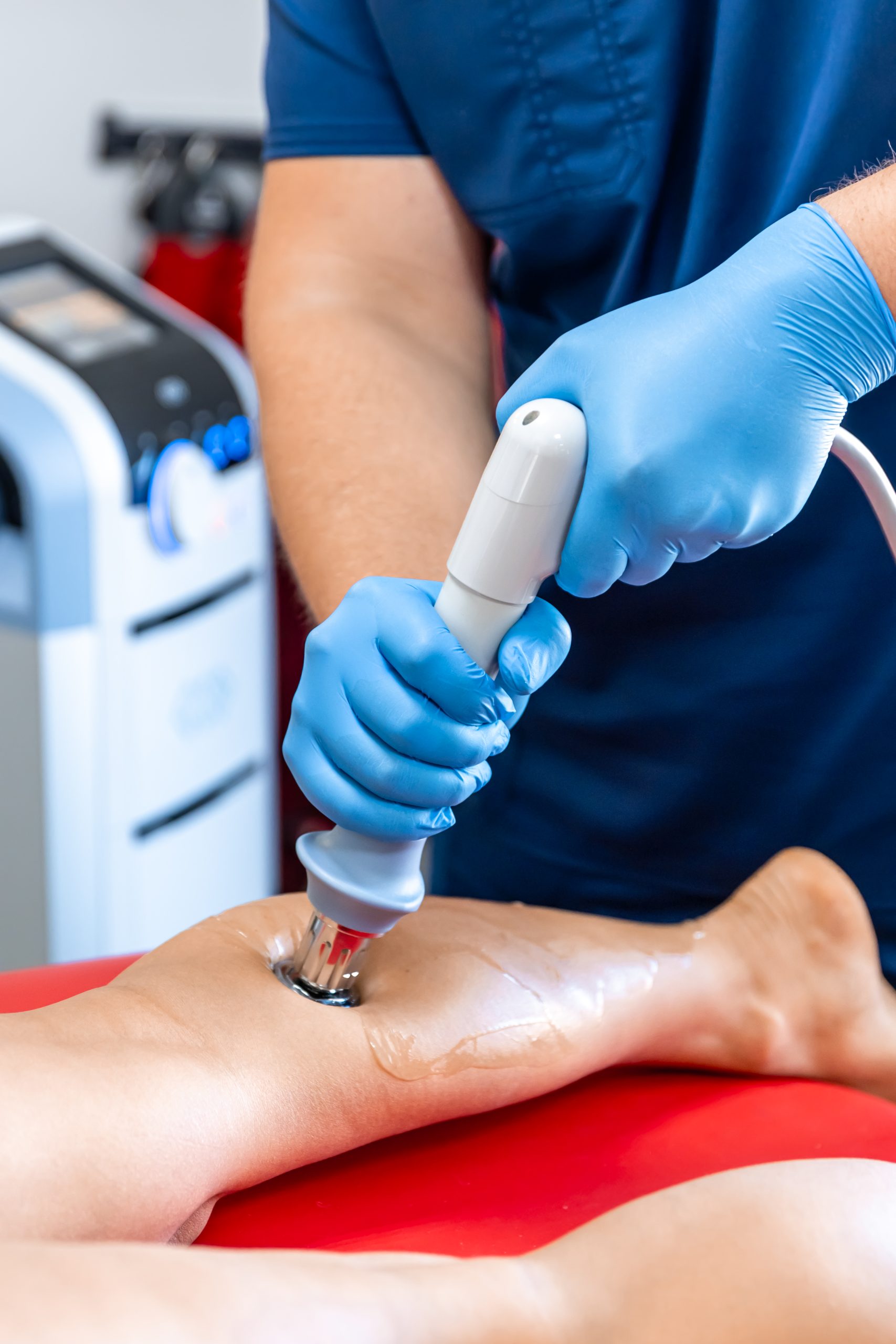
A non-invasive option that uses targeted laser energy to destroy fungal cells without harming surrounding tissue. Laser therapy can improve nail appearance and reduce fungal presence and is often combined with topical treatments for best results.
Nail Removal
Rarely necessary but considered for severe or painful infections, allowing new, healthy nail growth after removal.
Home Care and Prevention
Preventing reinfection is as important as treatment. Practical strategies include keeping nails dry and clean, trimming nails regularly, wearing breathable shoes and socks, avoiding shared nail tools, disinfecting nail care tools, practicing good foot hygiene, and changing socks and shoes frequently.
Risks of Untreated Nail Fungus
While nail fungus is often a cosmetic issue, leaving it untreated can lead to pain and discomfort, spread of infection to other nails or skin, secondary bacterial infections, and permanent nail deformity. Early intervention is essential to prevent complications.
When to See a Professional
Persistent nail discoloration, thickening, or brittleness warrants consultation with a healthcare provider. Conditions like psoriasis or trauma can mimic fungal infections, making accurate diagnosis essential. At Lasting Impressions Laser, we assess each case individually and recommend the most effective, safe treatment plan, whether it’s topical therapy, oral medication, or laser treatment.
Why Choose Lasting Impressions Laser for Nail Fungus Treatment
Experienced Professionals – Certified skin therapists and medical staff provide accurate diagnosis and effective treatment plans.
Advanced Laser Technology – Non-invasive laser therapy safely targets fungal cells.
Comprehensive Approach – Combination of topical, oral, and laser treatments ensures the best results.
Personalized Care – Each client receives a treatment plan tailored to their nail type, infection severity, and lifestyle.
Follow-Up Support – Guidance on post-treatment care and prevention reduces the risk of recurrence.
Convenient Location in Edmonton – Easy access for local and regional clients seeking expert care.
Conclusion
Nail fungus is a common but treatable condition. Understanding its causes, recognizing early signs, and seeking professional care are key to restoring healthy, strong nails. While treatment may require patience, combining professional therapy with proper home care dramatically increases success rates. At Lasting Impressions Laser, our combination of expertise, advanced technology, personalized treatment plans, and ongoing support ensures clients achieve the best possible outcomes. Scheduling a consultation is the first step toward healthier, clearer nails.