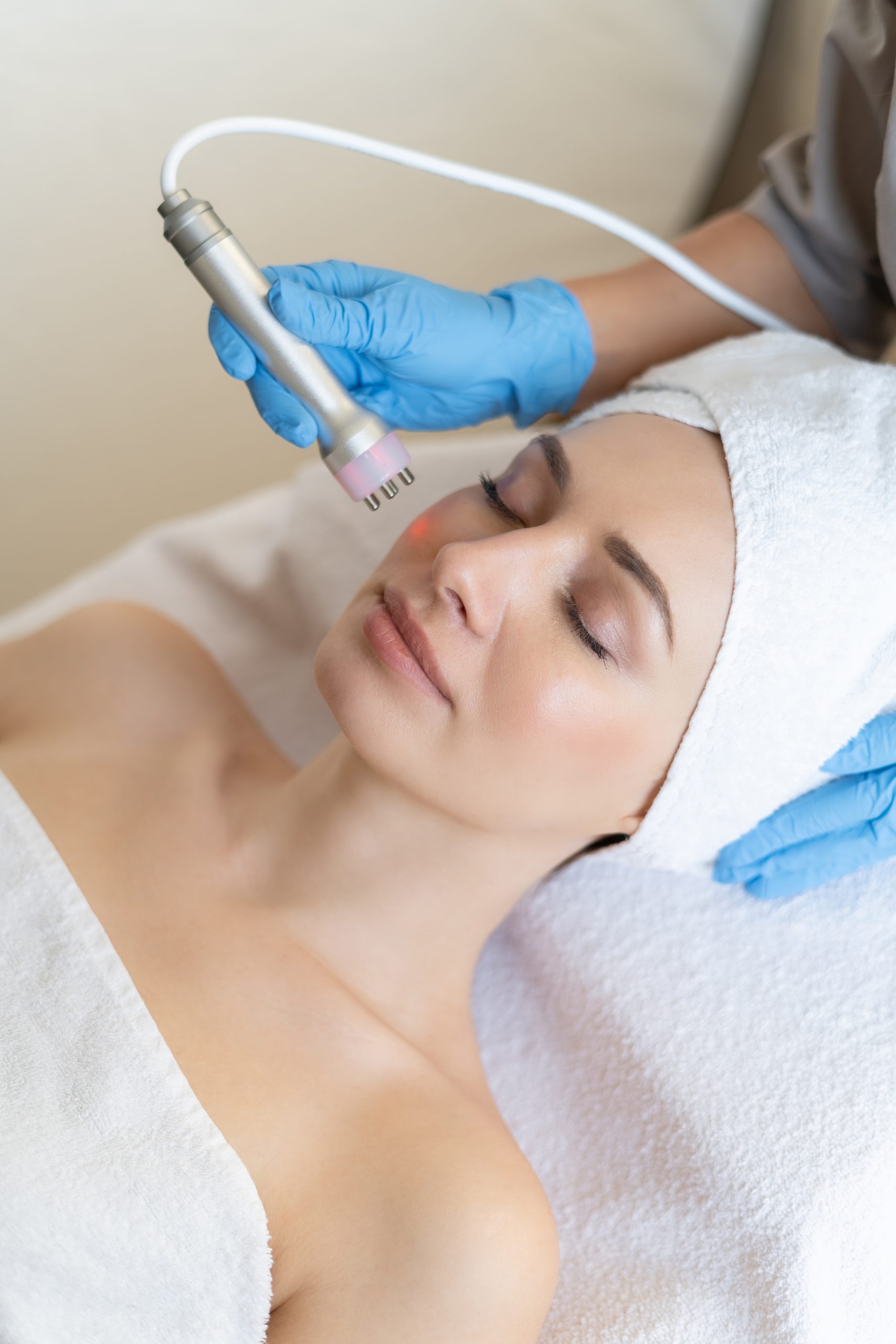
Microneedling often called collagen induction therapy has quickly become one of the most trusted and effective treatments in advanced skincare. By creating tiny controlled micro-injuries in the skin, microneedling triggers your body to produce more collagen and elastin, the proteins responsible for smooth, youthful, resilient skin.
But what many people don’t realize is that there isn’t just one kind of microneedling. Today, a wide range of options exist, each designed to target specific concerns and deliver unique benefits. From classic microneedling to advanced combinations with radiofrequency, PRP, or serums, the treatment has evolved into a fully customizable solution for almost any skin goal.
Below, we break down the different types of microneedling, how they work, and who they’re best suited for.
1. Traditional Microneedling
The foundation of all other microneedling methods.
How it works:
A professional device with ultra-fine needles creates controlled micro-channels in the skin, triggering your natural healing response and stimulating collagen and elastin production.
Benefits:
- Reduces fine lines and wrinkles
- Improves acne scars and mild stretch marks
- Smooths texture and minimizes pores
- Enhances absorption of skincare products
Best for:
Clients new to advanced treatments or those with mild to moderate concerns.
Example: A 32-year-old with lingering acne scars may start with a series of traditional treatments to refine texture and improve clarity.
2. Derma Roller Microneedling (At-Home)
A beginner-friendly, at-home version but much less powerful.
How it works:
A handheld roller with tiny needles (0.2–0.5 mm) creates surface-level micro-injuries. Usually paired with serums to improve penetration.
Benefits:
- Affordable and accessible
- Helps with short-term brightness
- Can support results between professional sessions
Limitations:
- Does not penetrate deeply enough for major collagen production
- Higher risk of irritation or infection if not sanitized properly
- Not effective for scarring or wrinkles
Best for: Light, temporary enhancement — not deep correction.
3. RF Microneedling (Radiofrequency Microneedling)
One of the most advanced and transformative options.
How it works:
Microneedles penetrate the skin and deliver radiofrequency energy deep into the dermis. This dual action tightens skin and boosts collagen at multiple levels.
Benefits:
- Tightens and lifts sagging skin
- Reduces deeper wrinkles
- Powerfully improves acne scars and stretch marks
- Produces faster, more dramatic results than traditional microneedling
Best for:
Clients with laxity, deeper lines, or significant scarring.
Example: A 48-year-old with jawline sagging may choose RF microneedling for firmer, smoother skin without surgery.
4. Microneedling with PRP (Platelet-Rich Plasma)
Also known as the “Vampire Facial.”
How it works:
A small amount of your blood is drawn and concentrated into PRP. The PRP is then applied during microneedling, allowing it to penetrate through the micro-channels.
Benefits:
- Speeds up healing
- Boosts collagen production
- Improves scars, texture, and pigmentation
- Promotes a radiant, rejuvenated glow
Best for:
Clients wanting a natural, holistic boost—especially for scars or pigmentation issues.
Example: A 37-year-old with post-pregnancy melasma might choose PRP microneedling to improve uneven tone faster.
5. Liquid Microneedling
A gentler, glow-enhancing alternative.
How it works:
Instead of needles, a serum with spicules or Microspears® is used to stimulate the skin. This is a safe option for more sensitive skin, or anyone who doesn’t like needles.
Benefits:
- Quick, visible glow
- Deep hydration and plumping
- Great for dullness or dryness
Best for:
Clients wanting a gentle refresh or hydration boost.
Example: A 35-year-old with dry winter skin may choose liquid microneedling for an instant glow and hydration.
6. At-Home Microneedling Pens
An upgraded version of the derma roller — still far weaker than professional tools.
How it works:
A powered pen with adjustable settings, but limited depth and strength for safety.
Benefits:
- Temporary brightening
- Helps maintain results between pro treatments
Limitations:
- Not strong enough for scars or wrinkles
- Higher risk of misuse
- Professional treatments deliver far superior results
How to Choose the Right Type of Microneedling
Your ideal treatment depends on your goals:
- Mild texture or preventative care: Traditional or serum-infusion microneedling
- Deeper wrinkles or sagging: RF microneedling
- Pigmentation or scarring: PRP or fractional microneedling
- Quick glow before an event: Infusion or liquid microneedling
- Budget-friendly maintenance: At-home devices (with caution)
Most clients benefit from a series of 3–6 sessions, spaced 4–6 weeks apart.
Microneedling is no longer a one-size-fits-all treatment. From classic collagen induction to advanced technologies like PRP and liquid microneedling, there is an option suited for virtually every skin concern.
Whether you’re looking to improve acne scars, fine lines, pigmentation, or simply boost your skin’s natural glow, we can recommend a customized plan based on your goals, skin type, and lifestyle, contact us today.