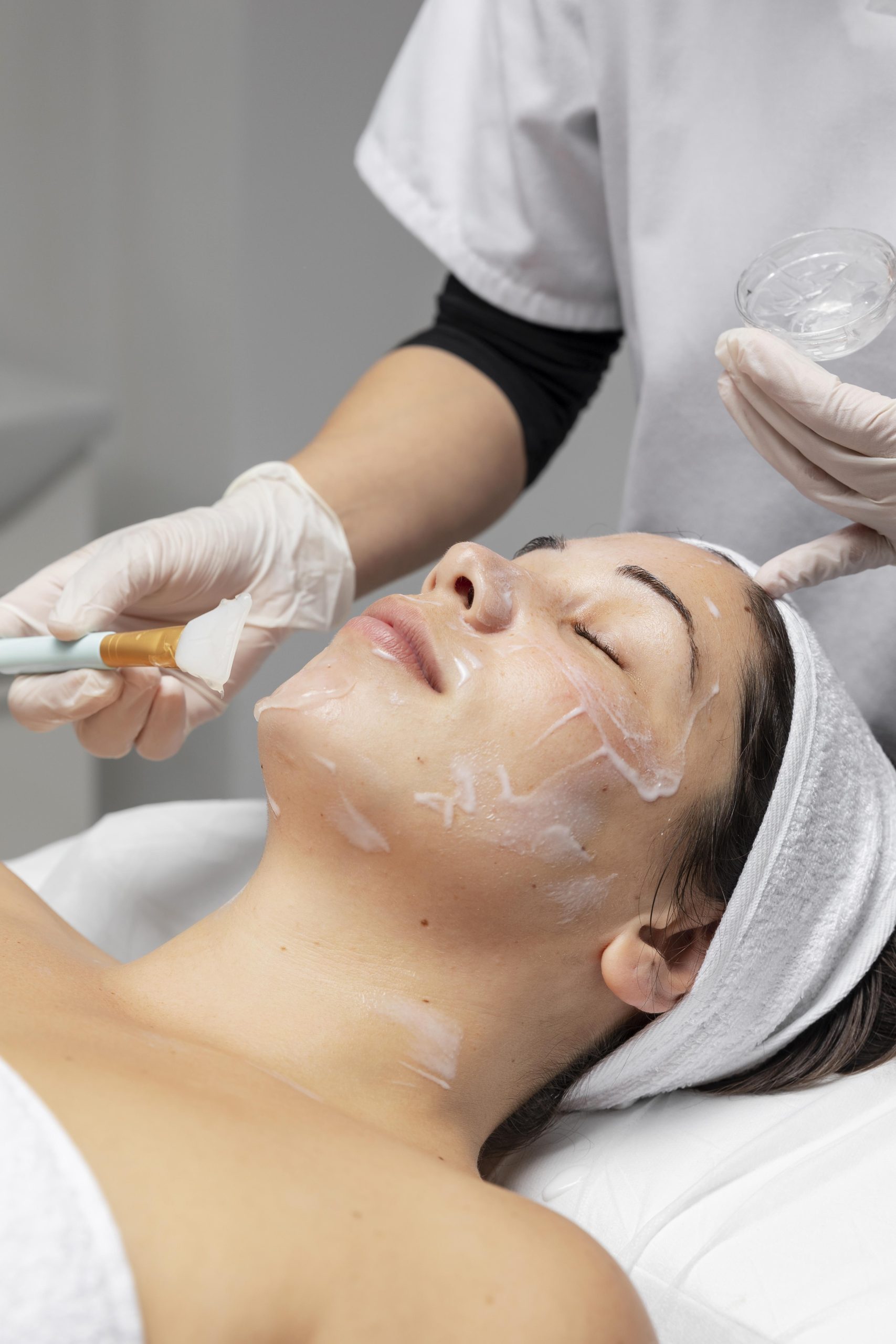
In the world of modern skincare, there’s no shortage of treatments promising brighter, smoother, and younger-looking skin. From microdermabrasion to microneedling, facials to laser therapy, each option has its place and purpose. Yet, one treatment consistently stands out for its versatility, effectiveness, and history of proven results: the chemical peel.
If you’ve ever wondered why so many dermatologists and estheticians recommend chemical peels—or why you might choose a peel over other treatments—this guide will give you a clear, detailed answer.
1. A Time-Tested Treatment With Modern Advancements
Chemical peels aren’t new. In fact, they’ve been around for centuries. Ancient Egyptians reportedly used sour milk (rich in lactic acid) to exfoliate their skin, while Romans applied fermented grape must for smoother complexions. Today, science has refined these natural acids into safe, controlled solutions tailored for specific skin concerns.
Unlike many trendy treatments that fade in popularity, chemical peels have endured because they work. Modern peels range from mild, no-downtime options to deep resurfacing treatments that can rival surgical results. This adaptability is one reason chemical peels remain a cornerstone in professional skincare.
2. How Chemical Peels Work
A chemical peel uses a carefully formulated solution—such as glycolic acid, salicylic acid, lactic acid, trichloroacetic acid (TCA), or phenol—to exfoliate the skin. By breaking down the bonds between dead skin cells, peels trigger natural shedding and stimulate new cell growth.
The results include:
- Smoother skin texture
- Brighter, more even tone
- Reduced fine lines and wrinkles
- Fewer acne breakouts
- Softer acne scars and sun damage
Unlike treatments that simply “buff” or hydrate the skin, peels encourage actual regeneration, making them more transformative than many surface-level procedures.
3. Comparing Chemical Peels to Other Treatments
To understand why someone might choose a chemical peel over alternatives, let’s compare them side by side.
a) Chemical Peel vs. Microdermabrasion
- Microdermabrasion: Uses a mechanical device (crystals or a diamond tip) to physically exfoliate the outer layer of skin.
- Chemical Peel: Uses a solution to dissolve dead cells and stimulate renewal.
Why Choose a Peel?
- Peels penetrate deeper than microdermabrasion, addressing not just surface dullness but also pigmentation, fine lines, and acne.
- Peels can be tailored to different depths and skin concerns.
- Microdermabrasion is great for a quick refresh, but peels often deliver more dramatic and lasting changes.
b) Chemical Peel vs. Facials
- Facials: Focus on cleansing, hydration, and relaxation. They often include massage, masks, and extractions.
- Chemical Peel: A results-driven treatment designed to resurface and correct.
Why Choose a Peel?
- Facials feel good and provide temporary glow, but they don’t significantly change skin structure.
- Peels target root issues—pigmentation, scarring, wrinkles—that facials can’t resolve.
- Peels are more clinical, while facials are more spa-like.
c) Chemical Peel vs. Microneedling
- Microneedling: Uses fine needles to create micro-injuries, stimulating collagen and elastin production.
- Chemical Peel: Dissolves damaged layers and stimulates renewal.
Why Choose a Peel?
- Peels show results quickly, often within a week, whereas microneedling results unfold gradually over months.
- Peels can be less intimidating for people nervous about needles.
- Peels are generally more affordable per session.
- That said, microneedling can target deeper scars better than light peels—so the choice depends on the goal.
d) Chemical Peel vs. Laser Treatments
- Laser Resurfacing: Uses targeted light beams to vaporize damaged tissue or stimulate collagen.
- Chemical Peel: Uses acids to exfoliate and rejuvenate.
Why Choose a Peel?
- Peels are usually much more affordable than lasers.
- Peels can be performed on a wider range of skin tones without as much risk of pigmentation issues (when properly chosen).
- Recovery from superficial to medium peels is typically shorter and easier.
- Lasers can be more precise for deep wrinkles, but peels are a more accessible, lower-risk entry point.
4. Versatility Across Skin Concerns
One of the biggest advantages of chemical peels is their ability to treat multiple issues at once. While some treatments are limited in scope, peels can address:
- Acne and acne scars
- Fine lines and wrinkles
- Sun damage and age spots
- Melasma and hyperpigmentation
- Uneven texture and dullness
For example:
- A salicylic acid peel can both clear acne and fade post-inflammatory marks.
- A glycolic peel brightens dull skin while softening wrinkles.
- A TCA peel reduces pigmentation while tightening the skin.
This “multi-tasking” nature sets peels apart from many single-purpose treatments.
5. Levels of Customization
Chemical peels aren’t one-size-fits-all. They can be tailored in terms of:
- Type of acid used (glycolic, salicylic, lactic, TCA, phenol, or blends)
- Strength (superficial, medium, deep)
- Targeted concerns (acne, pigmentation, wrinkles, glow)
This flexibility means peels can work for:
- A 25-year-old battling oily skin and blackheads.
- A 40-year-old seeking to fade sunspots and early wrinkles.
- A 60-year-old hoping for a more dramatic rejuvenation.
Few other treatments can be adjusted this widely to suit different ages, skin types, and goals.
6. Cost-Effectiveness
Affordability is another strong reason to choose peels over alternatives:
- Superficial peel: $100–$250 per session
- Medium peel: $250–$600 per session
- Deep peel: $1,000–$3,000 (often one-time treatment with long-lasting effects)
By comparison:
- Microneedling: $300–$700 per session
- Laser resurfacing: $1,000–$5,000 per session
- Facials: $100–$200 (but with limited results)
For many, chemical peels provide the best balance between cost and visible improvements.
7. Quick Results and Manageable Downtime
Some treatments take weeks or months to show changes. Peels often deliver visible improvements in just one session. After the peeling phase, patients see:
- Smoother texture
- More even tone
- Healthier glow
Downtime varies:
- Superficial peels: Minimal, back to work the next day.
- Medium peels: 5–7 days of peeling.
- Deep peels: Longer recovery, but dramatic results.
This quick turnaround makes peels appealing for events or busy schedules.
8. Safety and Accessibility
When performed by trained professionals, chemical peels are considered safe and effective. They don’t require expensive equipment, meaning more clinics and medspas can offer them.
Unlike lasers, which may not be suitable for darker skin tones, certain peels (like lactic acid or low-strength glycolic) can be used safely on a broad range of complexions.
9. Psychological Benefits
Clearer, smoother skin often leads to increased confidence. For someone struggling with acne scars or pigmentation, seeing visible improvements in just a few weeks can have a profound emotional impact.
Example:
Elena, 34, had tried countless creams for melasma without success. After a series of glycolic peels, her dark patches faded noticeably. She felt more confident going makeup-free for the first time in years.
10. When Peels Are the Best Choice
You might choose a chemical peel over other treatments if:
- You want noticeable results without spending thousands.
- You prefer a treatment with a long history of proven safety.
- You want flexibility (light, medium, or deep) depending on your goals.
- You have multiple skin concerns to treat at once.
- You’d like visible improvements in a relatively short time.
11. Limitations of Chemical Peels
To be fair, peels aren’t perfect for everything. They may not be the best option if:
- You have very deep scars or advanced skin laxity (surgery or microneedling/lasers may work better).
- You cannot commit to sun protection afterward (essential for healing).
- You want an entirely pain-free treatment (some tingling and peeling are normal).
But for the vast majority of people seeking brighter, smoother, healthier skin, peels strike the best balance of results, safety, and cost.
With so many skincare treatments available today, choosing the right one can feel overwhelming. But chemical peels continue to stand out for good reason. They combine history with innovation, affordability with effectiveness, and versatility with proven results.
While facials are relaxing, microdermabrasion is surface-level, microneedling is gradual, and lasers are expensive, chemical peels provide a unique middle ground: noticeable changes, customizable strengths, and a track record of safety.
If you’re looking for a treatment that truly transforms your skin—not just temporarily, but through natural renewal—chemical peels are a choice worth considering.