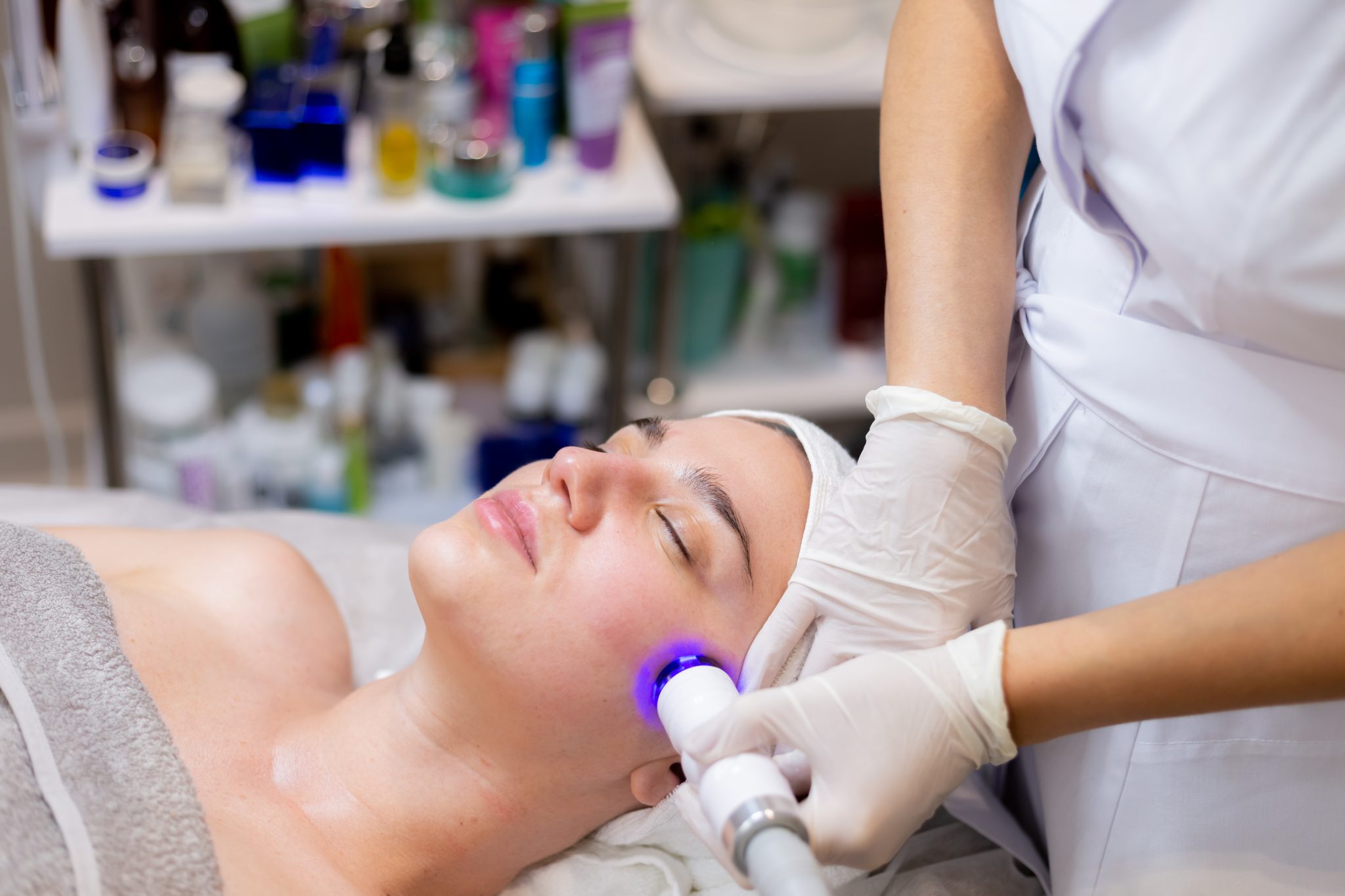
Chemical peels are an incredible way to rejuvenate your skin, reduce fine lines, fade pigmentation, and improve texture. However, one of the most critical aspects of achieving safe and long-lasting results is proper aftercare and recovery. How you care for your skin in the days and weeks following a chemical peel can make the difference between optimal results and prolonged irritation or complications.
As a professional skin therapist, I’ve seen countless clients experience amazing transformations when they follow aftercare instructions correctly. In this article, we’ll explore everything you need to know about chemical peel recovery—from immediate post-treatment care to long-term maintenance.
Understanding the Recovery Process
Recovery after a chemical peel varies depending on the type and depth of the peel.
Superficial Peels
- Affect only the outermost layer of the skin.
- Minimal downtime; mild redness or flaking may occur for 1–3 days.
- Most clients can resume normal activities immediately.
Medium Peels
- Penetrate into the middle layer of the skin (dermis).
- Redness, swelling, and peeling last approximately 5–7 days.
- Requires more attentive skincare and sun protection during recovery.
Deep Peels
- Penetrate deep into the dermis and require medical supervision.
- Redness, crusting, and peeling may last 2–3 weeks.
- Longer recovery time and strict aftercare protocols are necessary.
Understanding your peel type and expected recovery period helps set realistic expectations and ensures proper care.
Immediate Aftercare (First 24 Hours)
The first day after your chemical peel is crucial. Your skin is sensitive, and the protective outer layer has been exfoliated. Here’s what you should do:
1. Keep the Skin Hydrated
Hydration is essential for healing. Use a gentle, non-comedogenic moisturizer recommended by your skin therapist. Avoid products with strong acids or retinoids, as these can irritate sensitive skin.
Example: A client with superficial peeling applied a mild, fragrance-free moisturizer every 3–4 hours during the first day, which significantly reduced tightness and discomfort.
2. Avoid Sun Exposure
New skin is extremely vulnerable to UV damage. Avoid direct sunlight, and if you must go outside, use a broad-spectrum sunscreen with SPF 30 or higher. Hats and protective clothing add an extra layer of safety.
Example: A medium peel patient who forgot sunscreen experienced temporary pigmentation due to sun exposure, highlighting the importance of diligent protection.
3. Gentle Cleansing
Use lukewarm water and a mild, non-irritating cleanser. Avoid scrubbing or exfoliating, which can disrupt healing and cause inflammation.
Example: A superficial peel client noticed less redness and flaking by switching to a gentle cream cleanser recommended by the therapist.
Days 2–7: Peeling and Healing
During this phase, the skin begins to naturally shed dead cells. The intensity and duration depend on the peel depth:
- Superficial peels: Light flaking, minimal redness.
- Medium peels: Visible peeling, swelling, and possible mild discomfort.
- Deep peels: Significant peeling and crusting, with redness persisting.
Tips During Peeling
- Do Not Pick or Peel Skin – Let it shed naturally to avoid scarring or infection.
- Moisturize Regularly – Apply recommended ointments or creams to soothe and protect skin.
- Stay Hydrated – Drinking plenty of water supports overall skin recovery.
- Avoid Makeup – If possible, skip makeup until flaking subsides, or use only lightweight, non-irritating products.
Example: A medium peel client followed strict moisturizing and sun protection guidelines during peeling. By day six, redness and flaking subsided, leaving smoother, brighter skin.
One to Two Weeks Post-Peel
By this stage, most superficial and medium peel clients notice significant improvement in skin texture and tone. The skin may still be sensitive, so ongoing care is critical:
- Continue using gentle moisturizers and hydrating serums.
- Avoid harsh skincare products, exfoliants, or retinoids until advised by your therapist.
- Maintain sun protection diligently to prevent pigmentation and protect new skin.
Example: A superficial peel client added a soothing hyaluronic acid serum to her routine, enhancing hydration and reducing post-peel dryness.
Long-Term Aftercare
Chemical peels don’t just improve skin immediately—they also set the stage for long-term skin health. Here’s how to maintain results:
1. Sunscreen Is Non-Negotiable
Fresh skin is highly susceptible to sun damage. Daily sunscreen use protects results and prevents premature aging, pigmentation, and sensitivity.
Example: Clients who consistently use SPF after a series of medium peels maintain even skin tone and avoid sun-induced dark spots.
2. Maintain a Gentle Skincare Routine
Avoid harsh products immediately after treatment. Introduce retinoids, exfoliants, or active ingredients gradually, as advised by your therapist.
3. Schedule Maintenance Treatments
Depending on your skin type and goals, periodic superficial peels can maintain smoothness, radiance, and collagen production.
Example: A client with acne scars received quarterly superficial peels, resulting in long-term reduction of scarring and consistent improvement in skin texture.
Common Side Effects During Recovery
Some mild side effects are normal and indicate that the peel is working:
- Redness or mild swelling
- Tightness or stinging sensation
- Peeling or flaking
- Temporary sensitivity to skincare products
These effects usually resolve within a few days for superficial peels, or up to 2–3 weeks for deep peels. Persistent irritation should be discussed with your therapist.
Tips to Maximize Results
- Follow Instructions Precisely – Your skin therapist’s guidance is designed to optimize healing and results.
- Be Patient – Skin regeneration takes time, and results improve gradually.
- Hydrate From Within – Drinking water supports recovery and skin elasticity.
- Avoid Picking – Manipulating peeling skin can lead to scarring or uneven tone.
- Protect Against Sun Exposure – New skin is more vulnerable and needs daily SPF protection.
Example: A medium peel client followed all aftercare instructions, avoided sun, and moisturized frequently. The result: glowing, even-toned skin that lasted months.
Special Considerations
- Sensitive Skin: Clients with rosacea or eczema may need milder peels or extra post-care measures.
- Dark Skin Tones: Superficial peels are usually safer, as medium or deep peels carry a risk of hyperpigmentation.
- Medical Conditions: Disclose all medications and conditions to ensure peel safety.
Professional guidance ensures both safety and effective outcomes, reducing the risk of adverse reactions.
Example Recovery Timeline
Superficial Peel:
- Day 1: Redness, mild tingling
- Days 2–3: Light flaking, minimal discomfort
- Day 4–5: Skin appears brighter and smoother
Medium Peel:
- Day 1: Redness, mild swelling, warmth
- Days 2–6: Peeling, crusting, possible discomfort
- Days 7–10: Skin softens and new skin emerges
- Weeks 2–3: Continued healing, final results visible
Deep Peel:
- Days 1–3: Redness, swelling, crusting, intense sensitivity
- Days 4–14: Peeling, careful maintenance required
- Weeks 3–4: Gradual revealing of smoother, firmer skin
Chemical peel aftercare and recovery are essential parts of the treatment process. Proper care ensures that your skin heals safely, maximizes results, and reduces the risk of complications. From hydration and sun protection to gentle skincare and patience during peeling, every step of aftercare contributes to the long-term health and appearance of your skin.
When followed diligently, chemical peels offer dramatic benefits: smoother texture, brighter tone, reduced pigmentation, fewer fine lines, and a rejuvenated complexion. By combining professional treatment with careful aftercare, you can enjoy radiant, healthy skin and maintain results for months to come.