How Many Sessions Are Needed for Vein Therapy?
Visible veins, including spider veins, broken capillaries, and small varicose veins, are a common concern for people of all ages. While these veins are usually harmless from a medical perspective, they can affect self-confidence and how people feel about their skin. Advancements in vein therapy now provide safe and effective ways to reduce or eliminate unwanted veins.
One of the most common questions during consultations is how many sessions are needed. The answer depends on factors such as vein type, size and location, skin type, and personal goals. This article explains everything you need to know about vein therapy sessions and why personalized treatment plans are essential.
Understanding Vein Therapy
Vein therapy includes treatments like laser vein therapy and sclerotherapy, which target unwanted veins to make them less visible or remove them entirely. In laser vein therapy, a focused beam of light delivers heat to the vein, causing it to collapse and be naturally absorbed by the body. Sclerotherapy involves injecting a solution into the vein that irritates the walls, causing them to close and eventually be reabsorbed. Both methods are minimally invasive, precise, and involve minimal downtime, making them popular choices for cosmetic and mild functional improvements.
Factors That Influence the Number of Sessions
The number of sessions varies depending on several individual factors. Type of veins is a major factor. Spider veins are small, thin veins that respond well to laser therapy or sclerotherapy, with many patients seeing significant improvement after one to two sessions. Broken capillaries, often appearing on the face, also respond quickly to laser treatments, sometimes requiring just one or two sessions.
Small varicose veins, which are slightly larger and sometimes bulging, may require three to six sessions due to their size and complexity. Vein size and location also matter. Smaller veins usually need fewer treatments because they collapse more easily, while larger or deeper veins require additional sessions for the body to absorb them fully.
Leg veins often require more treatments than facial veins because they are under higher pressure. Skin type and tone play a role as well. Laser vein therapy is effective for a wide range of skin types, but darker or more sensitive skin may require a more gradual approach, using lower-intensity settings and additional sessions spaced over several weeks. Severity of the condition is another consideration.
Few isolated veins may need only one or two sessions, while multiple clusters across the legs or face typically require several treatments. Severe cases, including hereditary vein patterns or sun damage, often benefit from a phased treatment plan.
Personal treatment goals influence the number of sessions. Clients seeking subtle improvement may need just one session, while those aiming for complete elimination of visible veins may require multiple treatments. Discussing goals during a consultation ensures a plan that balances results, comfort, and safety.
Typical Number of Sessions
Although individual needs vary, general guidelines suggest that spider veins usually require one to three sessions, facial broken capillaries one to two sessions, and small varicose veins on the legs three to six sessions. Larger or persistent clusters of veins may need four to six sessions or more. Sessions are generally spaced two to six weeks apart to allow the body to absorb treated veins gradually, minimizing irritation and ensuring natural-looking results.
What Happens During Each Session
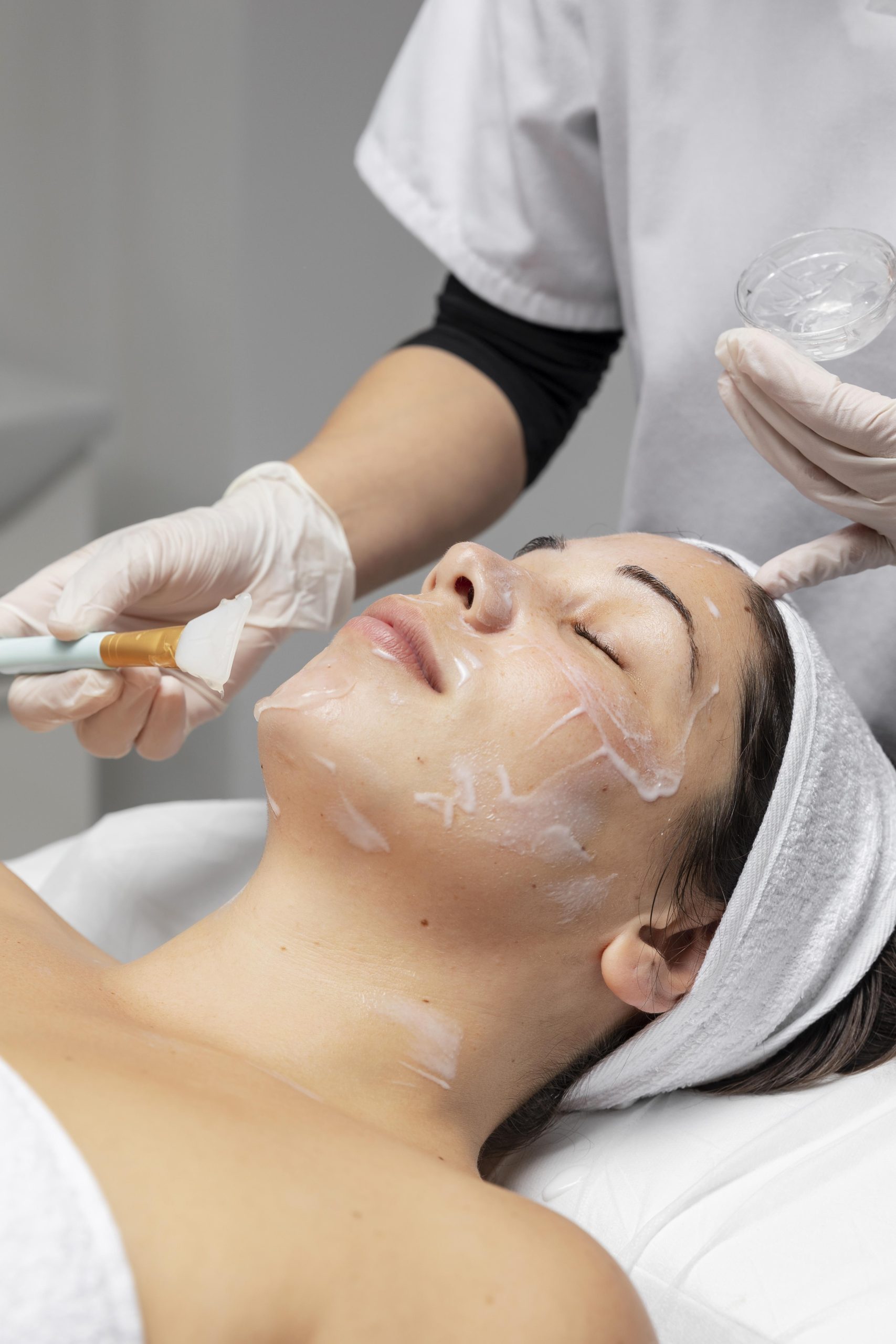
During a session, the area is first cleaned, protective eyewear is provided, and a numbing cream may be applied if necessary. For laser therapy, pulses of light target the veins, while sclerotherapy involves small injections. Each vein collapses gradually, and sessions typically last 15 to 45 minutes depending on the size of the area.
Post-treatment care may include mild redness, swelling, or bruising, and compression stockings may be recommended for leg treatments. Most clients can resume normal activities immediately. Each session builds on the previous one, gradually improving results over time.
Recovery Between Sessions
Healing is usually quick, but the body needs time to fully absorb treated veins. Spacing sessions two to six weeks apart allows the skin and veins to recover, maximizing results and reducing side effects. Patients may notice gradual fading of veins and improvements in skin texture during this period.
How to Maximize Results
Optimal outcomes depend on following aftercare instructions, avoiding sun exposure, using sunscreen daily, wearing compression garments if recommended, staying hydrated, maintaining healthy circulation through exercise, and attending all scheduled sessions.
Expected Results After Multiple Sessions
Vein therapy results are gradual and cumulative. After one to two sessions, small veins may show noticeable reduction. After three to four sessions, larger or stubborn veins often begin to fade significantly. After a full series of four to six treatments, most patients enjoy smoother, clearer, and more even-toned skin.
Results are long-lasting because once a treated vein collapses and is reabsorbed, it does not return, though new veins may appear over time due to genetics, aging, or lifestyle factors. Maintenance sessions can help prevent future veins from becoming visible.
Factors That May Increase the Number of Sessions
Extensive spider veins, very large or deep veins, hormonal changes such as pregnancy or menopause, and darker or sensitive skin may require additional sessions or a more gradual approach to treatment. Understanding these factors helps patients set realistic expectations and plan a comprehensive course of therapy.
The Importance of Personalized Treatment
Every person’s veins and skin are unique. Personalized consultation and treatment planning are critical. Experienced providers assess the type, size, and location of veins, recommend the appropriate number of sessions, customize laser or sclerotherapy settings, and monitor progress to adjust the plan as needed. This tailored approach ensures safety, efficacy, and natural-looking results.
Final Thoughts
The number of sessions needed for vein therapy is not one-size-fits-all and depends on vein type, size, location, severity, skin tone, and personal goals. Small spider veins or facial capillaries may require one to two sessions, leg veins or stubborn clusters typically require three to six sessions, and larger or extensive veins may need more treatments for optimal results.
Each session builds on the previous one, gradually improving appearance. With proper aftercare and a personalized treatment plan, vein therapy can deliver long-lasting, natural-looking results. Working with an experienced provider ensures clearer, smoother, and more confident skin while addressing both cosmetic and functional concerns.