Microneedling has become one of the most sought-after treatments for people looking to rejuvenate their skin in a natural, effective way. While its popularity has grown in recent years, many people still feel unsure about what actually happens during a microneedling session. For someone considering this treatment, it is completely natural to feel a little nervous or curious about the process. Understanding each step in detail helps remove uncertainty and shows why microneedling is a treatment that so many dermatologists, medical spas, and skin clinics recommend.
A microneedling session is carefully designed to be safe, controlled, and tailored to the individual’s needs. The process begins before the needles even touch the skin, as preparation and consultation play a major role in ensuring successful results. From the first moment you arrive at the clinic until you leave with post-care instructions, each stage is structured to maximize both safety and effectiveness.
The consultation and preparation stage is the starting point. Most reputable clinics, like medical aesthetic practices and dermatology centers, begin with a conversation about your skin goals, concerns, and medical history. The provider looks at your skin, identifies issues such as acne scars, fine lines, or pigmentation, and determines whether microneedling is the right approach. This step matters because not everyone is an immediate candidate. People with active skin infections, certain health conditions, or recent procedures may need to wait before scheduling. Once the provider clears you for treatment, they also explain what to expect, the number of sessions that may be required, and the realistic outcomes you can look forward to.
On the day of the session, preparation begins with cleansing. Your skin is thoroughly cleaned to remove makeup, sunscreen, oils, and debris. This creates a fresh surface and reduces the risk of bacteria entering during the procedure. A sterile environment is crucial since microneedling involves creating controlled micro-injuries on the skin. After cleansing, a topical numbing cream is usually applied. This cream sits on the skin for about 20 to 30 minutes, depending on the area being treated and the client’s comfort level. The goal of numbing is to make the procedure more comfortable, as the tiny needles would otherwise feel irritating or sharp. With numbing, most people only feel light pressure, a prickling sensation, or mild vibration from the device.
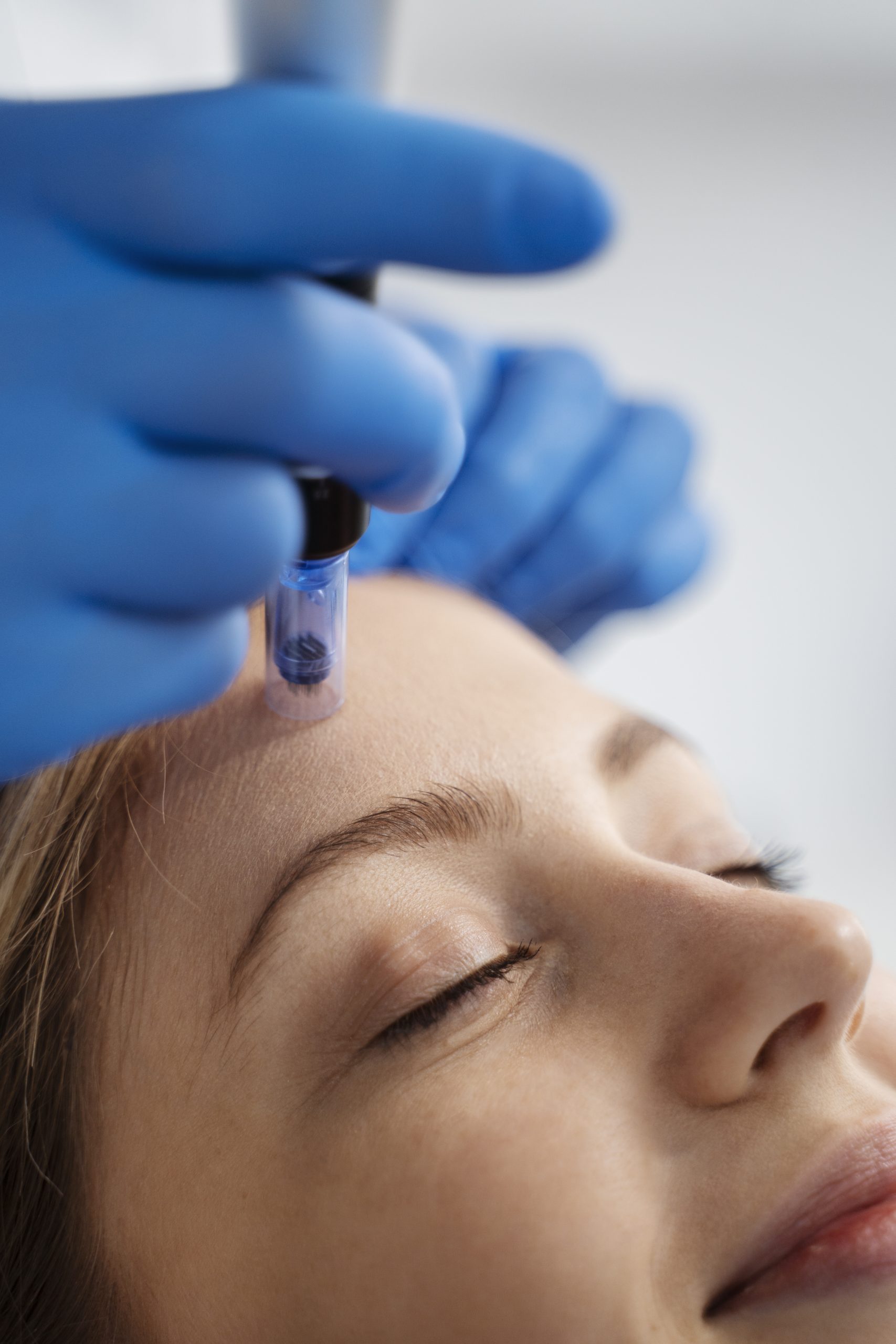
Once the skin is numb, the microneedling itself begins. The practitioner uses a pen-like device fitted with fine, sterile needles. These needles move up and down at a rapid speed, puncturing the skin at a controlled depth. The depth is not the same for every person or every area of the face. For example, thinner areas like the forehead require shallower penetration, while thicker areas like the cheeks or jawline may be treated with slightly deeper settings. The provider carefully adjusts the device depending on the individual’s skin type, concerns, and tolerance.
The sensation during treatment is often described as mild scratching or tingling rather than pain. Some areas may feel more sensitive, especially around the nose or hairline, while others feel very manageable. Because the treatment is done in small sections, the provider moves the device across the skin methodically, ensuring that every area receives even coverage. Depending on the area being treated, the session can last anywhere from 30 minutes for a small region to an hour or more for a full-face or body treatment.
One of the most fascinating aspects of microneedling is what happens beneath the surface. Each controlled puncture created by the needles triggers the body’s natural wound-healing response. The skin interprets the tiny injuries as a signal to repair itself. This activates fibroblasts, which are cells responsible for producing collagen and elastin. Over the weeks following the treatment, these structural proteins rebuild and strengthen the skin, gradually reducing scars, fine lines, and uneven texture. In addition, the micro-channels created by the needles allow for deeper penetration of topical serums applied during or immediately after the session. Many clinics pair microneedling with growth factors, hyaluronic acid, or platelet-rich plasma (PRP) to enhance healing and results.
After the microneedling device has covered the treatment area, the provider typically applies a soothing serum or mask. These products are chosen specifically to calm redness, promote hydration, and speed recovery. Because the skin is highly absorbent at this stage, the serums penetrate more effectively, delivering nutrients directly where they are most needed. Some providers finish the session with a protective layer of moisturizer or a gentle sunscreen if the patient will be exposed to daylight after leaving the clinic.
Immediately after the session, the skin looks and feels very different than it did at the beginning. It is normal to see redness, similar to a sunburn, and sometimes mild swelling. The treated area may feel warm, tight, or slightly sensitive to the touch. These aftereffects are temporary and generally subside within 24 to 72 hours. Most people resume daily activities the next day, though heavy makeup, direct sun exposure, and intense exercise are typically discouraged for the first 48 hours.
The provider also gives post-care instructions to support healing. These often include gentle cleansing with mild products, keeping the skin hydrated with a recommended moisturizer, and avoiding harsh exfoliants or active ingredients like retinoids for a few days. Sunscreen is emphasized as a must, since the skin is more sensitive to UV exposure during recovery. Following these instructions closely ensures that results develop properly and that side effects remain minimal.
In the days that follow, the skin undergoes noticeable changes. Redness fades, and mild peeling or flaking may occur as old cells shed to make way for new ones. By the end of the first week, many people notice their skin looking smoother and more refreshed, but the true benefits take longer to develop. Collagen production is a gradual process, so the most significant improvements in texture, scars, and firmness appear over the course of several weeks to months. For most clients, a series of three to six sessions spaced four to six weeks apart is recommended to achieve optimal results.
What makes microneedling sessions appealing to so many is the balance they strike between effectiveness and minimal downtime. Unlike more aggressive resurfacing treatments such as lasers or chemical peels, microneedling allows people to return to their daily lives quickly while still delivering long-term benefits. It is also adaptable, meaning the same process can be customized to treat different areas of the body, from the face to the neck, chest, or even hands.
Some variations of the procedure may also be offered depending on the clinic. Traditional microneedling uses fine needles alone, but some providers offer radiofrequency microneedling, which combines needle penetration with radiofrequency energy to stimulate deeper layers of the skin. Others may pair the treatment with PRP, often called the “vampire facial,” which uses the patient’s own plasma to accelerate healing and enhance collagen stimulation. Regardless of the type, the overall session structure remains similar: preparation, numbing, microneedling, soothing application, and aftercare.
For someone new to microneedling, knowing these steps in advance helps ease concerns. There are no surprises once you sit in the chair, and understanding how the body responds makes the process more exciting. Instead of fearing the idea of tiny needles, you see them as tools guiding your skin to heal itself and reveal a healthier surface.
A microneedling session is not just a quick appointment; it is part of a longer journey toward improved skin health. Each session builds on the last, and over time, the results speak for themselves. Smoother texture, reduced scarring, fewer fine lines, and a radiant glow all come from the body’s own natural healing abilities, activated in a controlled and professional environment.
Ultimately, what happens during a microneedling session is a careful blend of science and artistry. The provider brings skill and precision, the tools deliver controlled stimulation, and the body responds with its innate power to repair and renew. This synergy is why microneedling continues to be trusted and recommended by both professionals and clients alike.